Showing posts with label Natalie Dessay. Show all posts

Monday, July 27, 2020

Infinite Opera

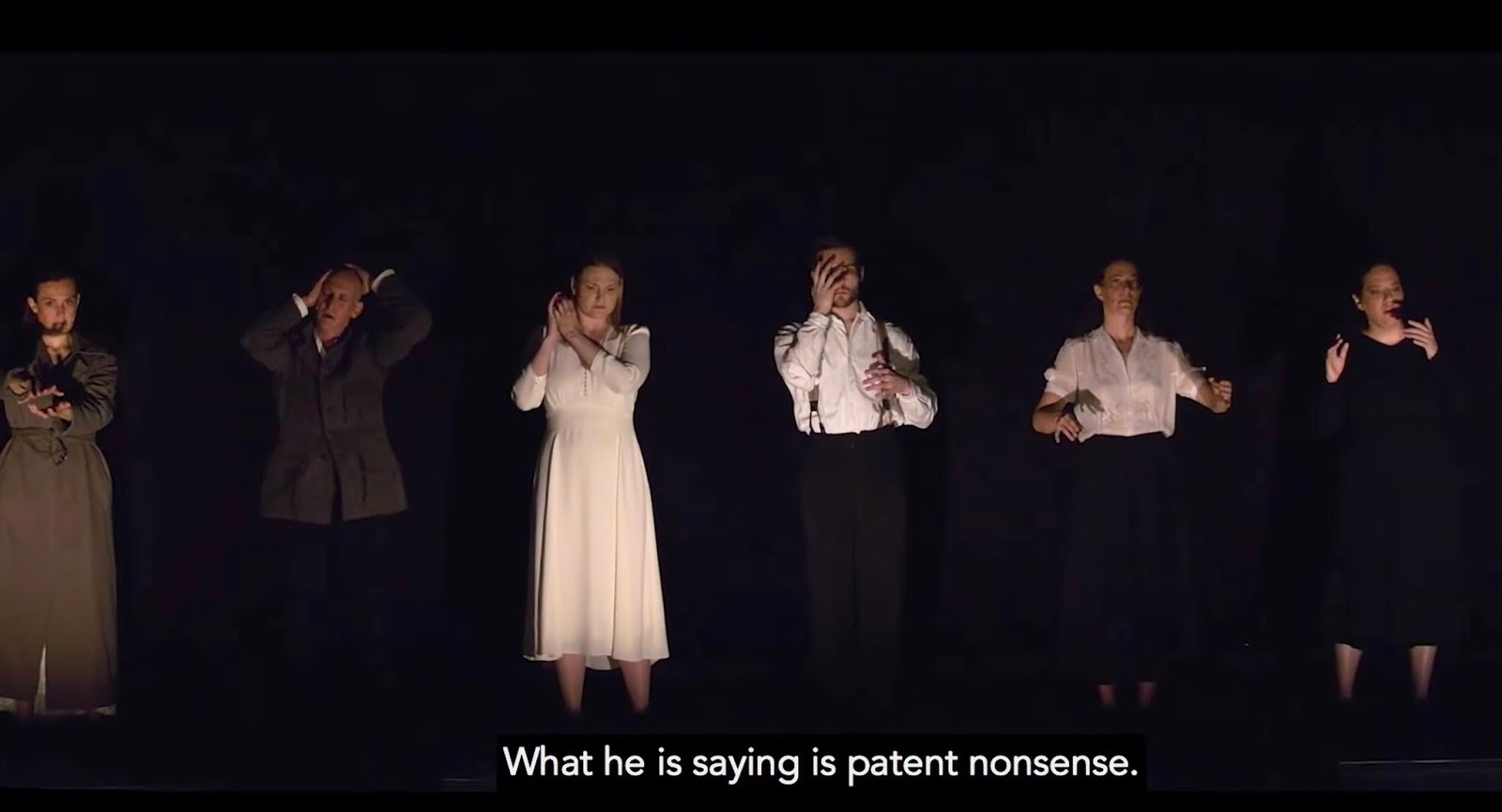
After withstanding three productions of “La Boheme,” a trio of “La Traviata”s, two versions of “Aida” and seven hours of Der Ring des Nibelungen during my quarantine-inspired opera binge, I was ready for a reset.  My viewings of “Infinite Now” and “The Ice Break” over the weekend felt like the rewarding payoff of my self-directed 18-week crash course.

“Infinite Now,” a 2017 avant-garde freakout composed by Chaya Czernowin, is a cacophonous examination of war’s horrors and contemporary anxiety.  Only the most intrepid listeners are probably capable of enduring more than five minutes of the plotless 150-minute (semi)opera.  Fully acclimated to sonic hardship, I embrace the ways in which the Opera Ballet Antwerpen production builds on the disruptive innovations of Berg, Britten and Corigliano I’ve come to admire.

Michael Tippett’s “The Ice Break” premiered in 1977, but I suspect the Birmingham Opera Company's 2015 production is the first time it made any sense.  Staged in an industrial warehouse in which the members of the audience stand and swill beer when not being pushed about by stagehands, the depiction of social unrest looks as if it could have been filmed in Portland last weekend.  It’s astonishing.

My streak won’t end tonight.  I can’t resist watching the Metropolitan Opera’s free stream of the charismatic Natalie Dessay starring in Donizetti’s “Lucia di Lammermoor.”  Rather than inviting you to join me in relishing the diva’s ghastly meltdown in the 127th opera I’ll take in in 126 consecutive days, I double-dog dare readers to instead dip into the free streams of “Infinite Now” and “The Ice Break” linked above.


---
I applaud Black Dolphin’s free livestreams at the Kansas City jazz blog Plastic Sax.

(Screenshot of Opera Ballet Antwerpen’s production of “Infinite Now” by There Stands the Glass.)

Friday, May 15, 2020

Sempre Libera

I’ll have a ready answer if I’m ever asked how I spent the lockdown of 2020.  I’ve been immersed in opera.  I’ve watched more than 50 productions since the Metropolitan Opera began offering free daily streams in March.  I continue to bask in a new show every night.

I began the endeavor almost entirely from scratch.  I bought the least expensive ticket each of the seven or eight times I’ve attended an operatic production.  While they’re not legitimate substitutes for attending live events, the Met’s archived broadcasts offer closeups of the performers and tantalizing glimpses of the action backstage.  I studiously read the digital programs, consult outside materials and augment each production with supplemental listening sessions.

Even though it’s sometimes a slog, working my way through even the most tedious operas gives me a sense of purpose and fills the enormous void left by the moratorium on live music.  And the glacial pace, decadent length and over-the-top melodrama associated with the form suits the strained atmosphere of the quarantine.  I’ve come to adore opera’s disarming lustiness, high body count and vocal caterwauling.

The treasure trove of free streams allows me to admire the work of stars including Jessye Norman, Luciano Pavarotti and Leontyne Price, marvel at opera’s evolution from stationary belters to athletic vocalists and learn the context of popular arias like "Pagliacci"’s “Vesti la Giubba”.

I haven’t been at it long enough to cultivate a distinct sense of my personal taste, but I was moved by the striking modernity of Nico Muhly’s “Marnie”, stirred by Natalie Dessay’s ravishing portrayal of Violetta in Giuseppe Verdi’s “La Traviata” and floored by Anthony Dean Griffey acting in the title role of Benjamin Britten’s disturbing “Peter Grimes.”

A date once asked me what types of music I liked.  I told her that I loved “everything but opera.”  The trivial exchange stuck with me because I loathed myself for speaking out of ignorance.  I didn’t even know “Le Nozze di Figaro” existed.  Had I somehow been able to see and hear Cecilia Bartoli and Bryn Terfel perform Wolfgang Amadeus Mozart’s shockingly coarse work when I was a girl-crazy 17-year-old, my life might have turned out entirely differently.

(Screenshot of the Metropolitan Opera’s production of Richard Strauss’ “Capriccio” by There Stands the Glass.)